
Modern electronic systems are getting smaller, more powerful, and more susceptible to harsh operating conditions. Supporting dainty parts in systems without harm is paramount in both automotive control units, industrial machinery, and consumer electronics. It is in this context that electrical potting compounds are an indispensable element in the provision of durability, stability, and long-term functionality in harsh environments.
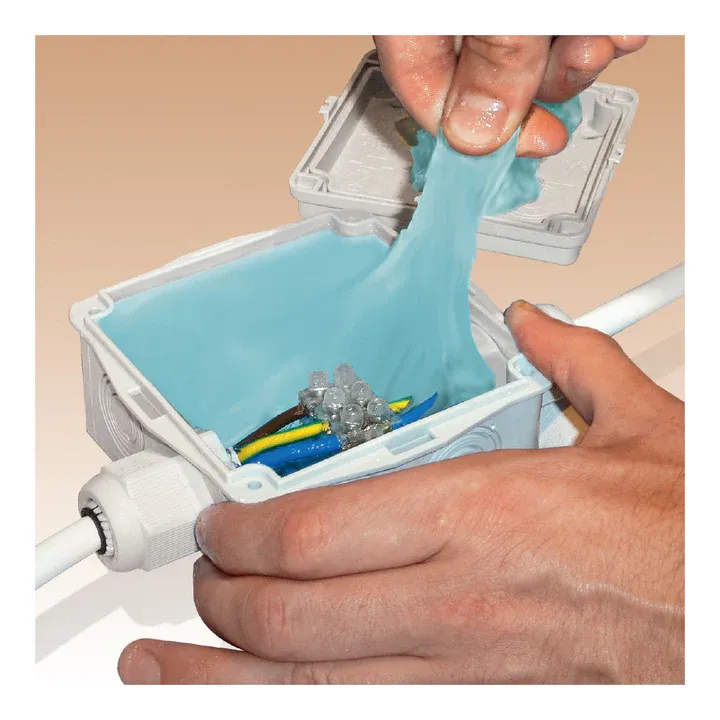
In easy terms, electrical potting compounds are the protective materials that are used to package electronics that are sensitive to moisture, shocks, dust, and exposure to chemicals.
What Are Electrical Potting Compounds?
Electrical potting compounds are epoxy-based, silicone-based, or polyurethane-based, specialized resins usually poured over electronic components in a housing. When readmitted, they develop a hard-encasing biofilm about the circuitry.
Such a barrier helps prevent short circuits, corrosion, and mechanical damage, which can significantly shorten the lifespan of electronic equipment. These materials are not only used as protective factors but also to improve electrical insulation and thermal management in engineering.
Key Benefits of Potting in Electronic Protection
Supply of protective potting materials is linked to a number of advantages that can be directly related to the reliability and performance of the products.
Moisture resistance
Fills the entry of water and humidity in electronic assemblies, and prevents the risk of corrosion. This is guaranteed stable operation in outdoor, marine, and high-humidity conditions where the stability of operation is paramount.
Vibration damping
Application in automobile applications and industrial applications where it is applied to absorb shocks and vibrations. This guards delicate components as well as boosts service life in an environment of constant movement, transportation, and heavy mechanical stress environments.
Electrical insulation
Provides a characterized insulating layer that prevents short circuits, current leaks, and inadvertent electrical interactions, safeguarding the stable, reliable operation of delicate electronic circuits.
Thermal stability
Prevent thermal heat by efficiently distributing and dissipating it to prevent component overheating and ensure consistent performance in high-temperature, high-load operating environments.
Chemical resistance
Protect shields against exposure to oils, fuels, solvents, and industrial harsh chemicals and provides long-term functionality and reliability.
Such advantages will help in increasing the life cycle of an electronic assembly in the real world.
Common Applications Across Industries
Potting technology becomes common in other industries whereby nothing less than a reliable device would be tolerated. The most popular uses are:
In the automotive industry, electronic control units (ECUs).
LED lights and power drivers.
The renewable energy systems, e.g., solar inverters.
Industrial automation and robotics.
Consumer electronics and household appliances.
In both these uses of electrical potting compounds in the electrical industry, aids in maintaining uniform performance, even when subjected to austere environmental conditions.
Conclusion
In contemporary high-stress electronic devices, it is very important to have long-term reliability by ensuring there is proper protection against heat, moisture, vibration, and exposure to chemicals. Effective encapsulation will enable the devices to operate effectively under adverse conditions with reduced chances of failure as well as maintenance costs.
This highlights why electrical potting compounds are vital in contemporary system engineering in order to guarantee the reliability and longevity of electronic mechanisms.
Frequently Asked Questions
What materials are commonly used in electrical potting compounds?
Epoxy resins, silicone resins, and polyurethane resins are the most common resins, depending on the flexibility and application demands.
Can potting compounds be removed after curing?
The vast majority of potting compounds are non-reworkable, although a few silicone-based types can be partially reworked or removed.
How does potting differ from conformal coating?
In potting, all components are completely enveloped, as opposed to conformal coating, which just forms a thin protective coating over the surfaces.